Slow tourism: connecting with nature and traveling at a different pace
More and more people are seeking to escape the noise, rush, and busy schedules to rediscover a more human pace. In recent years, interest in slow tourism has grown, a form of travel that invites you to breathe, observe, savor, and reconnect with the essence of each place.
In contrast to fast tourism, which piles on activities without leaving room for calm, this philosophy proposes exactly the opposite: less speed and more life.
Those who discover this type of tourism often describe it as a way of traveling that transforms their relationship with their destination. Walking along quiet trails, chatting with local producers, enjoying the local cuisine, and staying in places surrounded by nature are key elements of this approach.
This article explores the concept, its origins, its benefits, and why slow travel in Spain is gaining more and more followers.
What is slow tourism and why are more and more travelers choosing it?
Before delving into the experiences, it is important to understand what slow tourism is and why it is so closely linked to well-being.
Its philosophy stems from the slow movement, which arose as a reaction to fast-paced lifestyles.
Applied to travel, it involves making conscious decisions: choosing peaceful destinations, moving at a leisurely pace, enjoying the natural environment, and prioritizing quality over quantity.
A more conscious and sustainable journey
Appreciate and enjoy the here and now
Connecting with the identity of the territory
This type of tourism is based on a respectful approach to the environment. It does not seek to “see everything,” but rather to fully enjoy what one chooses to see. This involves minimizing environmental impact, supporting the local economy, and promoting more sustainable tourism.
Instead of constant travel, it focuses on longer stays and activities that allow visitors to integrate into the destination.
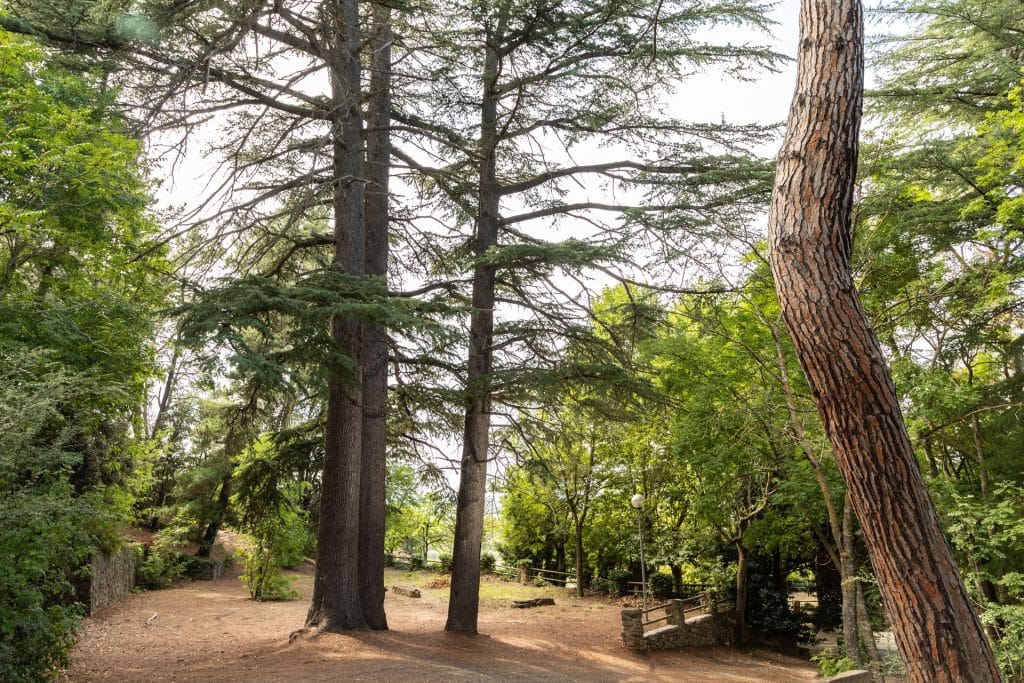
One of the keys to slow getaways is learning to be present. Walking leisurely through a forest, watching the sunset from a farmhouse, listening to the sound of a river, or enjoying a home-cooked meal are moments that are experienced more fully when you are not rushing.
This mindful attention improves emotional well-being and the quality of rest.
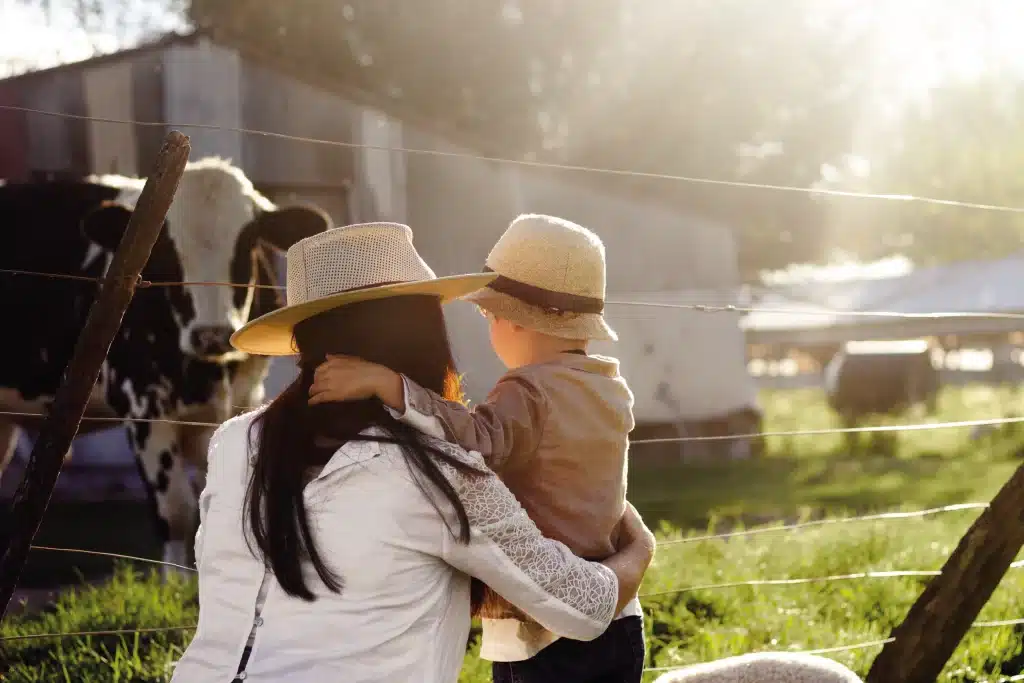
Slow travelers are curious: they want to know how local products are made, discover small villages, chat with artisans, and learn the history behind every corner. This approach turns every trip into a learning experience.
That’s why traveling at a different pace in Spain has become popular in regions where tradition, landscape, and quiet life coexist naturally.
Slow getaways and nature: the perfect combination
Nature is one of the best settings for practicing relaxed tourism. Getting away from the city allows you to listen to your body, slow down, and reconnect with your surroundings.
- Benefits of contact with natural spaces
Spending time in nature reduces stress, improves concentration, regulates sleep, and enhances overall well-being. These benefits explain why many people choose destinations where they can walk, breathe fresh air, or simply relax without interruptions.
- Outdoor experiences that fit in with slow tourism
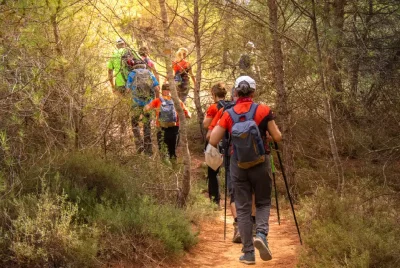
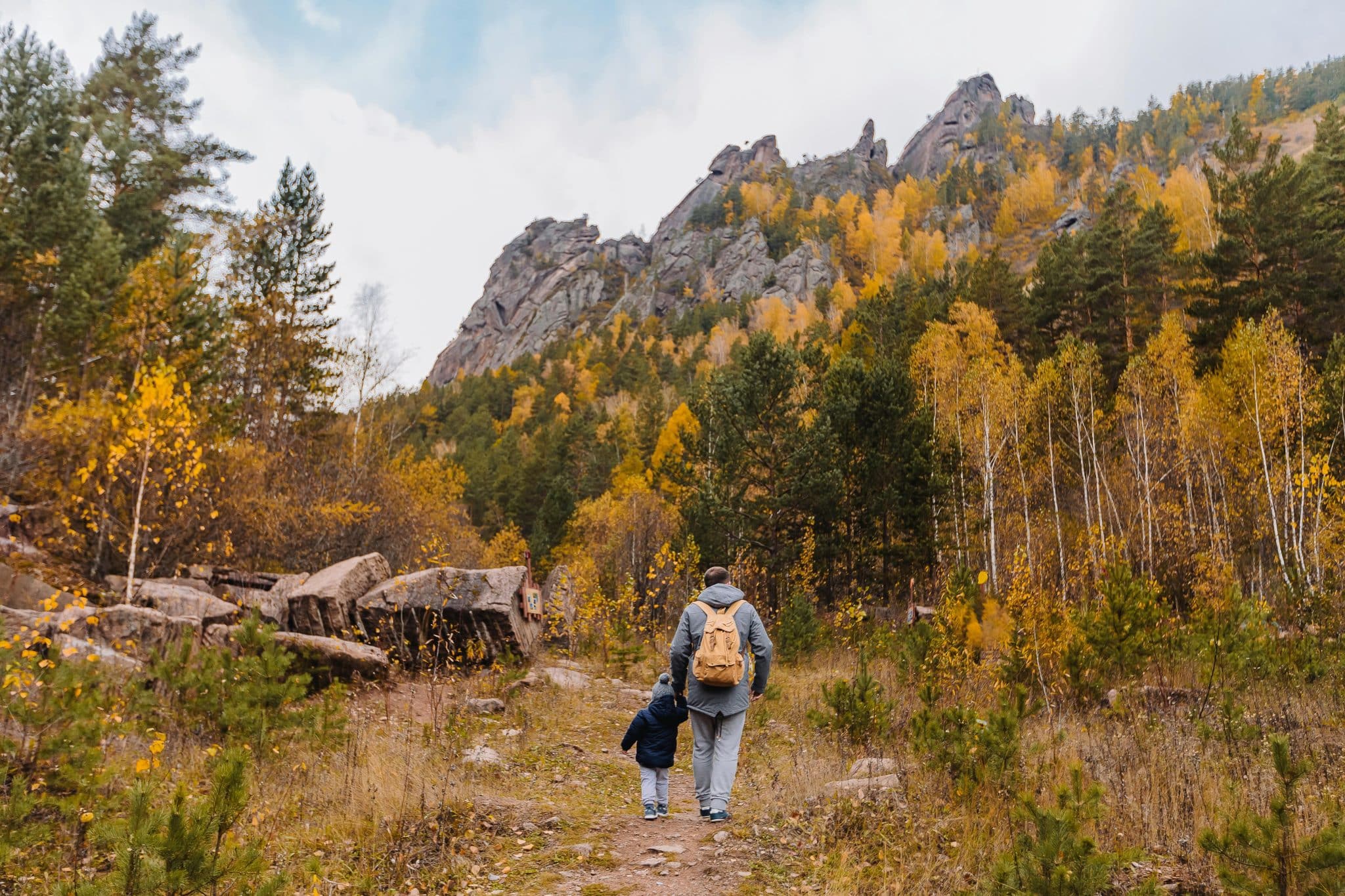
Activities such as gentle hiking, forest bathing, bike rides, and visits to viewpoints allow you to experience the destination at a leisurely pace. These types of activities are ideal for those seeking relaxed tourism in Spain, as many regions have natural parks, quiet villages, and accommodations that blend into the landscape.
- Accommodations that make it easier to travel at a different pace
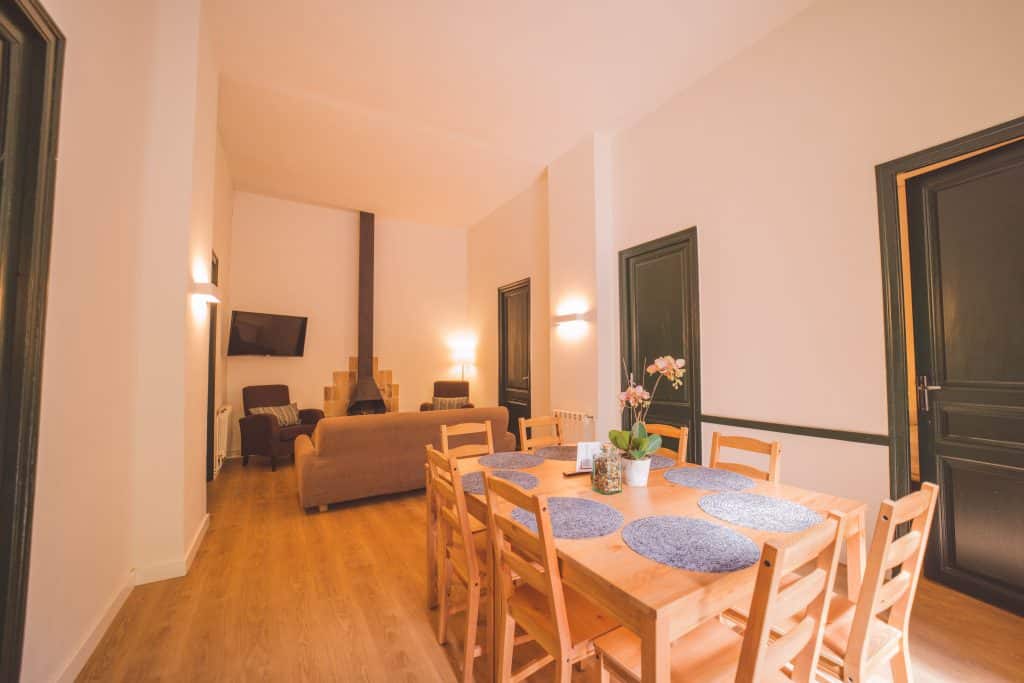
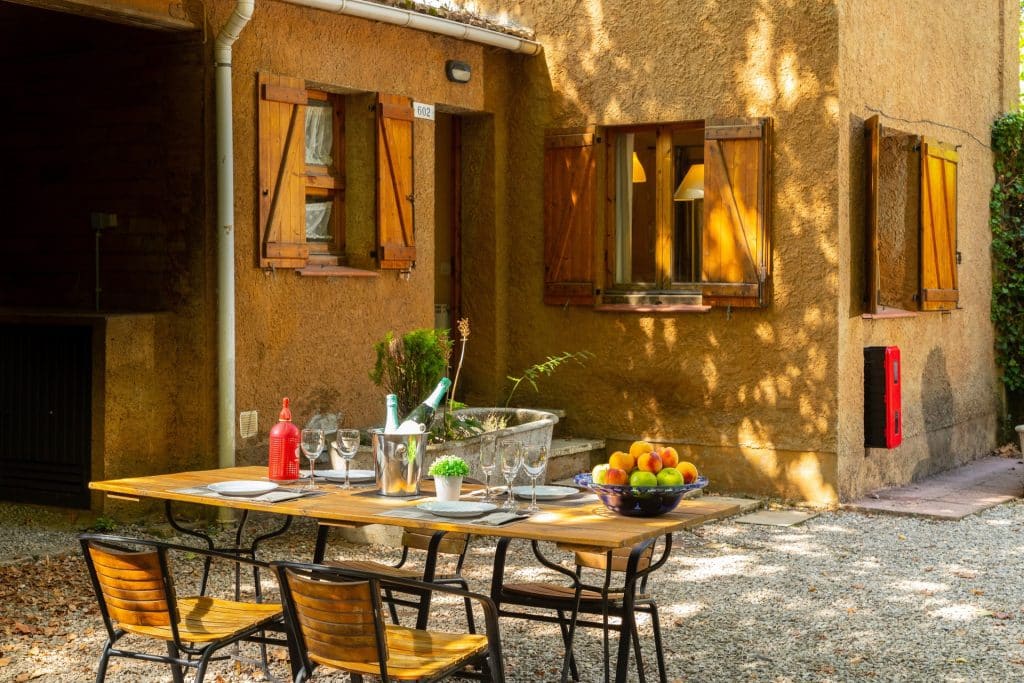
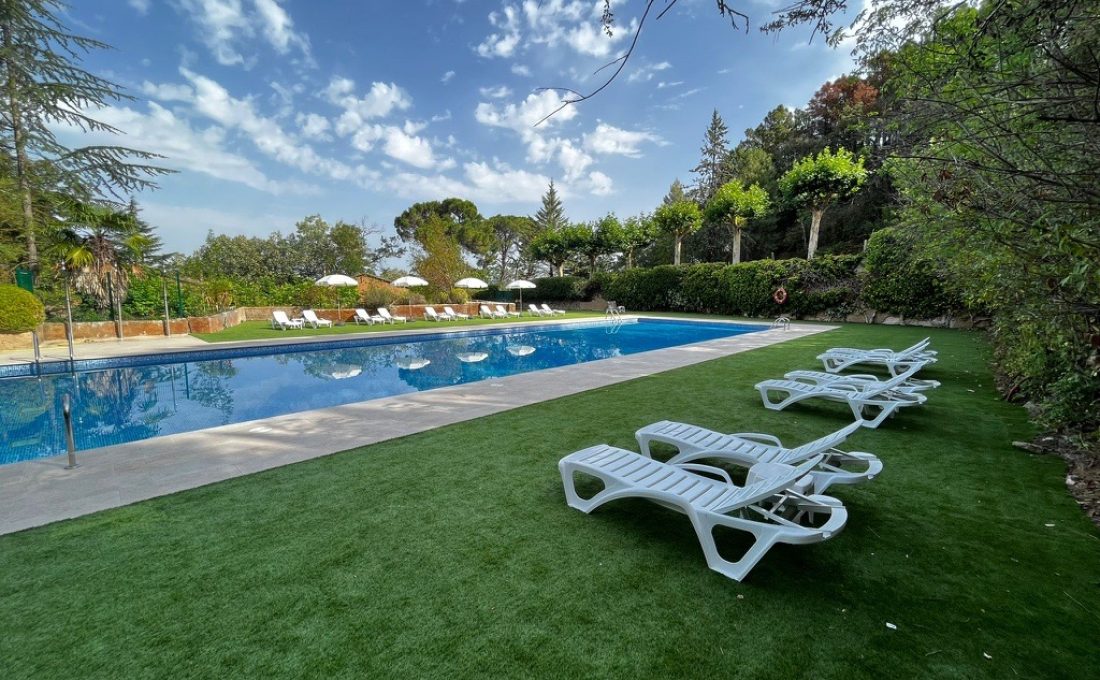
Accommodation plays an essential role in living this philosophy. Spaces surrounded by nature, with access to trails, viewpoints, and quiet areas, allow travelers to relax from the moment they arrive. Many rural accommodations and aparthotels have adapted their offerings for those seeking peaceful getaways, disconnection, and well-being.
How to integrate slow tourism into a trip
Slow getaways don’t require a lot of planning, but they do require a clear intention: to slow down and enjoy yourself more.
Choose longer stays and fewer trips
Enjoy the local cuisine
Incorporate moments of pause
One of the main recommendations from those who are familiar with slow travel is to avoid visiting too many places in a short period of time. Staying longer at a destination allows you to really get to know it, interact with the local community, and rest better.
Food is a fundamental part of travel. Trying typical dishes, discovering local markets and restaurants, and chatting with producers is part of the essence of this type of tourism. It not only nourishes, but also connects you with the local culture.
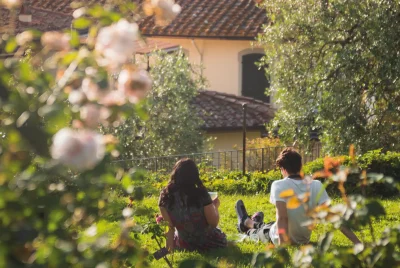
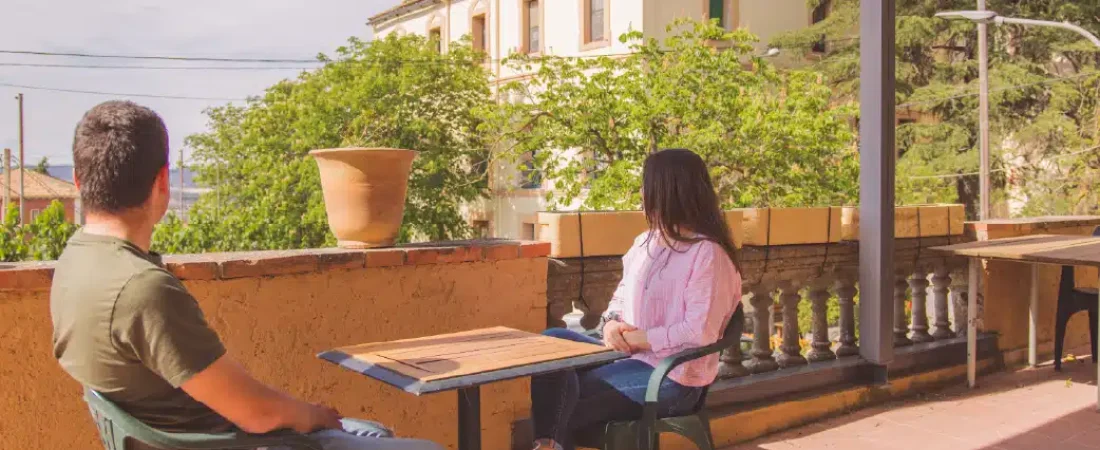
Rest is at the heart of the slow movement. Reading with a view of the forest, enjoying a leisurely coffee, or simply letting yourself be carried away by the sounds of your surroundings are simple experiences that enrich any getaway. These breaks allow you to reconnect with yourself and with your journey.
Slow tourism in Spain: Catalonia, an ideal destination to unwind
Among the most renowned places to enjoy slow tourism in Spain, Catalonia stands out for the richness of its landscapes, its cultural heritage, and its strong connection to rural life. Here, distances are manageable, villages retain their essence, and nature is always close by, making it easy to travel without rushing and connect with a more relaxed pace. For those who want to discover peaceful tourism and experience it authentically, Catalonia has become a destination of choice.
Regions with a slow tradition
Catalonia is one of the most inspiring places for those seeking to enjoy leisurely tourism surrounded by nature and authenticity.
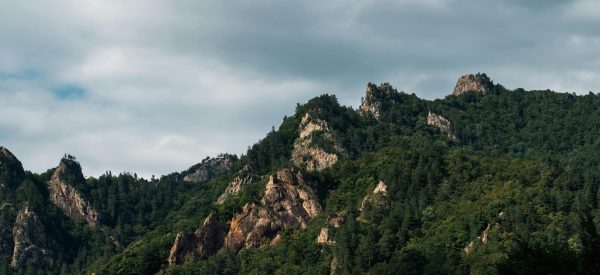
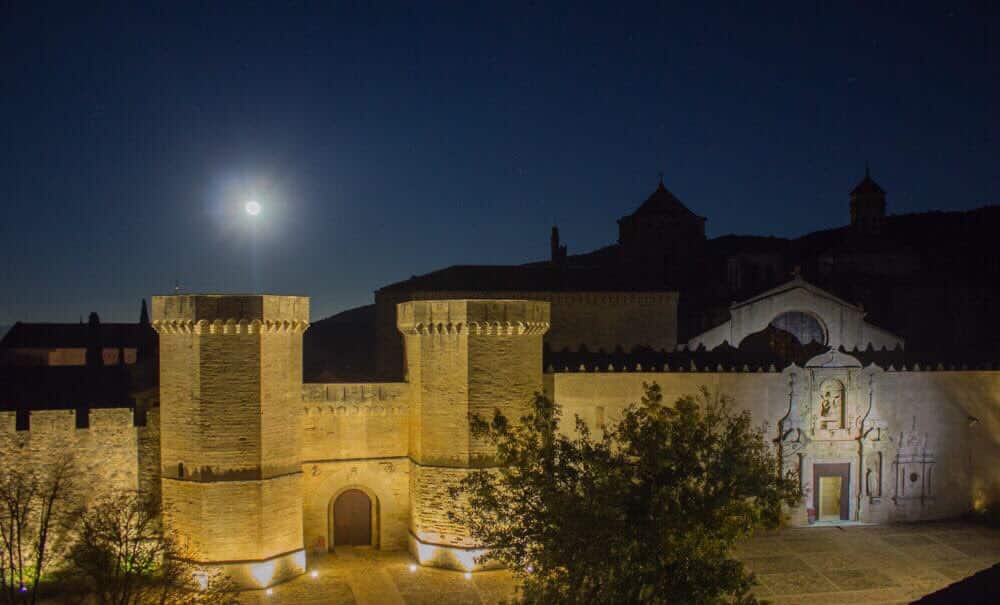
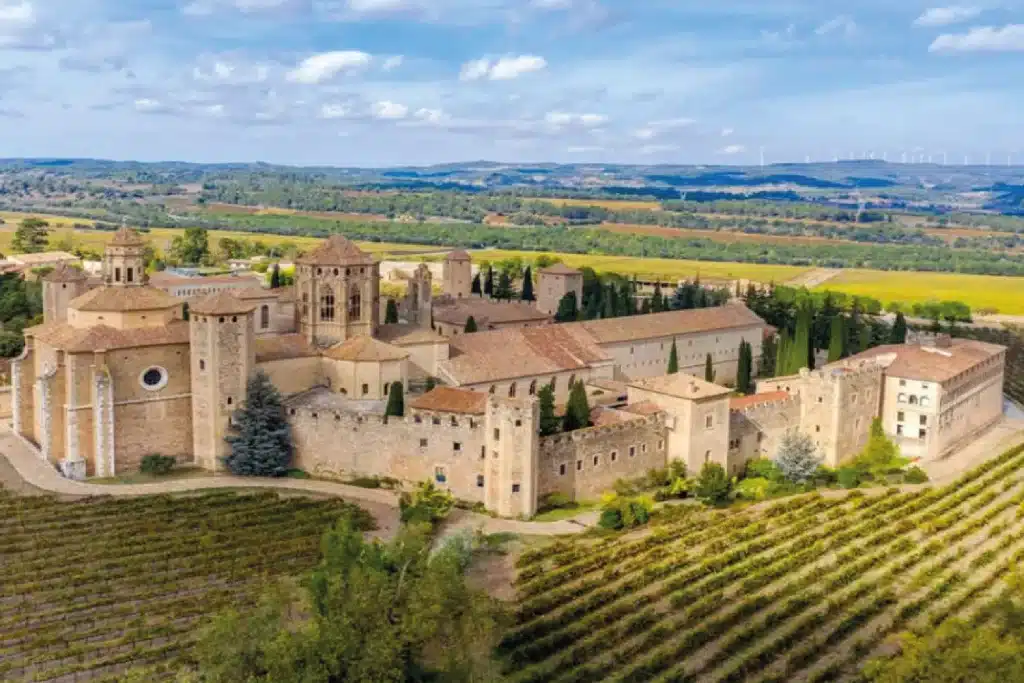
Its diverse landscapes (the Prades Mountains, La Conca de Barberà, Montseny, La Garrotxa, and Priorat) offer a choice of lush forests, gentle trails, viewpoints, medieval villages, and monasteries steeped in history.
Each area invites you to walk without haste, listen to your surroundings, and enjoy the journeyfrom a more mindful perspective. For many travelers, Catalonia is the perfect place to understand slow tourism and reconnect with a leisurely pace that respects the environment.
Slow activities that stand out in Catalonia
In Catalonia, slow travel is experienced through activities that allow visitors to enjoy the region in a calm and authentic way.
Hiking trails through natural parks, guided walks to discover the local flora and fauna, leisurely cultural visits, and craft workshops are all part of everyday life for those seeking to disconnect.
Gastronomic experiences also stand out: wine tastings at family wineries, olive oil tastings, traditional meals, and visits to local producers that showcase the essence of each region.
Add to this thermal baths, charming villages, and the richness of the Catalan rural landscape, which make the region an ideal setting for enjoying a slow getaway in all its forms.
The rise of slow getaways in Catalonia
In recent years, Catalonia has seen growing interest in this type of getaway, especially among those who want to get away from crowded areas and opt for peace and quiet and nature.
Rural accommodation, aparthotels integrated into the environment, protected natural areas, and small-scale cultural offerings have experienced growing demand.
Travelers value authenticity, silence, landscapes, and the possibility of disconnecting without sacrificing comfort. This boom reflects a clear trend: more and more people are looking to travel consciously, discovering Catalonia at a more human and respectful pace.
A more peaceful journey begins with the right destination
Slow tourism invites you to travel with intention, making space for rest, nature, and authentic enjoyment of your destination. For those who want to disconnect from their routine, explore natural environments, and reconnect with themselves, choosing accommodation that facilitates this leisurely pace is key.
At Villa Engracia, surrounded by forests, trails, and peaceful landscapes, travelers find a place to stop, breathe, and experience the journey without rushing. Our rural apartments allow you to enjoy a relaxing stay, while the surrounding area offers trails, viewpoints, and spaces perfect for truly peaceful tourism.
Whether you are looking for a getaway with your partner or a family trip, starting in a serene environment makes all the difference. Planning ahead allows you to organize your stay calmly and choose the activities that best suit this style of travel, such as discovering natural parks to visit or taking routes through vineyards and wineries.
Traveling at a different pace is possible, and it starts with choosing a destination that fits that philosophy.